
 In the fast-changing world of digital marketing, businesses have many ways to connect with their customers. Social media, search engines, paid advertising, and content marketing are all important channels. However, email marketing remains one of the most effective ways for businesses to communicate directly with their audience.
Email marketing allows businesses to send personalized messages directly to people who have shown interest in their products, services, or brand. From welcoming new customers to promoting special offers and sharing useful content, email can support almost every stage of the customer journey.
Whether you are a small business owner, freelancer, startup, or established company, having a well-planned email marketing strategy can help you build relationships, increase customer engagement, and generate sales.
What Is Email Marketing?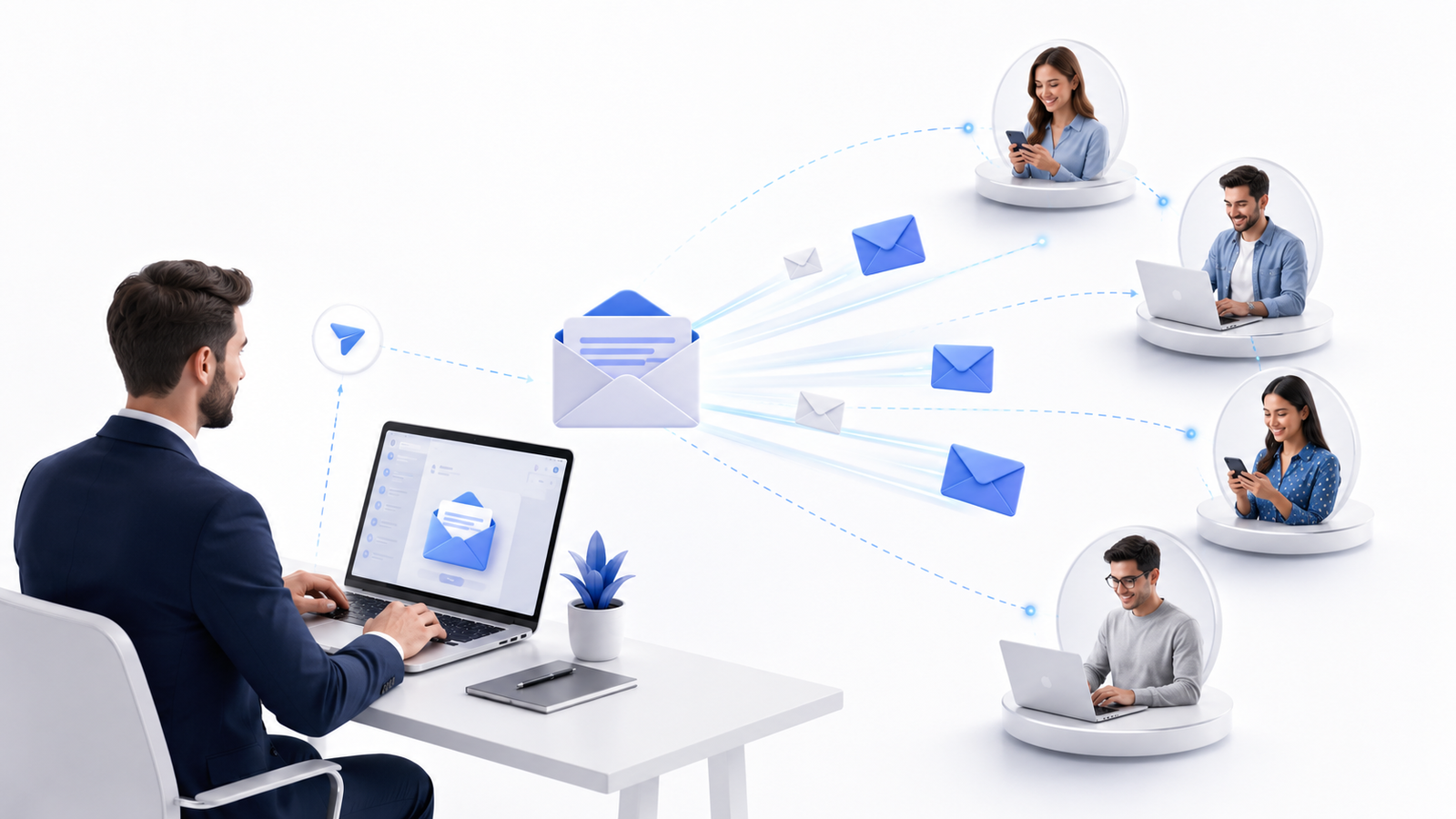
Email marketing is a digital marketing method that involves sending emails to a group of subscribers or customers to communicate information, promote products or services, build relationships, or encourage specific actions.
Unlike some advertising methods where businesses have limited control over who sees their message, email marketing allows brands to communicate with people who have voluntarily subscribed to receive their content.
Common examples of email marketing include:
- Promotional offers and discounts
- Product announcements
- Welcome emails
- Newsletters
- Abandoned cart reminders
- Event invitations
- Educational content
- Customer feedback requests
- Personalized recommendations
The goal is not simply to send emails but to deliver relevant content to the right audience at the right time.
Why Is Email Marketing Important?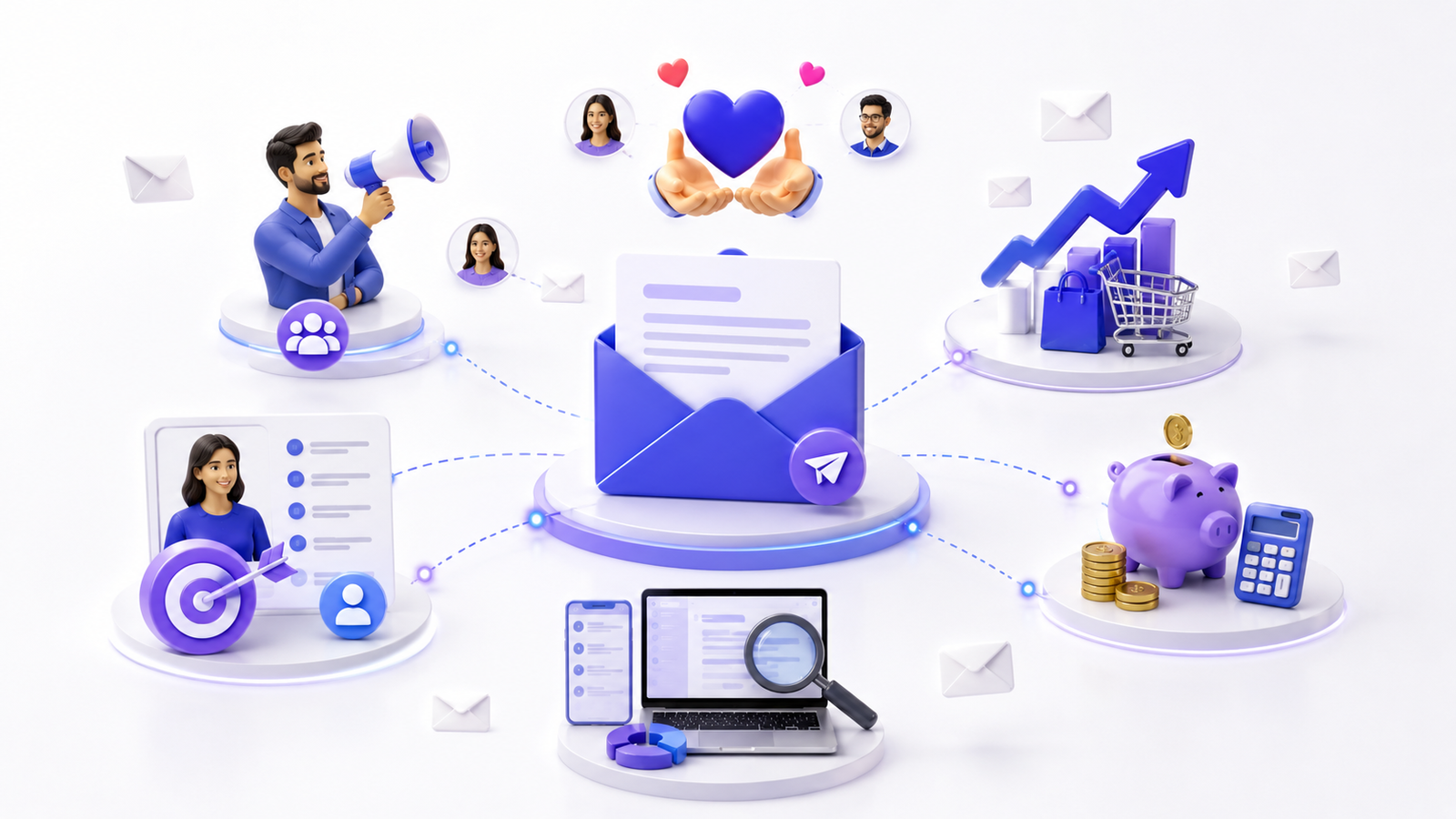
Email marketing is important because it provides businesses with a direct communication channel with their customers.
People may see hundreds of social media posts and advertisements every day, but a well-crafted email can create a more direct and personal interaction.
1. Direct Communication
Email gives businesses the opportunity to communicate directly with subscribers. Instead of depending entirely on social media algorithms, brands can reach people who have chosen to hear from them.
2. Builds Customer Relationships
Consistent and valuable communication can help businesses develop long-term relationships with their audience.
For example, a company can send helpful tips, educational content, product updates, and personalized recommendations rather than constantly sending promotional messages.
3. Supports Sales
Email marketing can encourage customers to make purchases by introducing new products, highlighting offers, reminding customers about abandoned carts, or recommending relevant products.
4. Personalization
Businesses can customize emails based on customer interests, previous purchases, location, behavior, and other information.
A personalized message can feel more relevant than a generic advertisement.
5. Cost-Effective Marketing
Compared with many traditional advertising methods, email marketing can be relatively affordable. Businesses can communicate with large audiences without needing to produce physical advertising materials.
6. Measurable Results
Email marketing platforms provide useful performance data such as:
- Open rate
- Click-through rate
- Conversion rate
- Bounce rate
- Unsubscribe rate
- Revenue generated
How Does Email Marketing Work?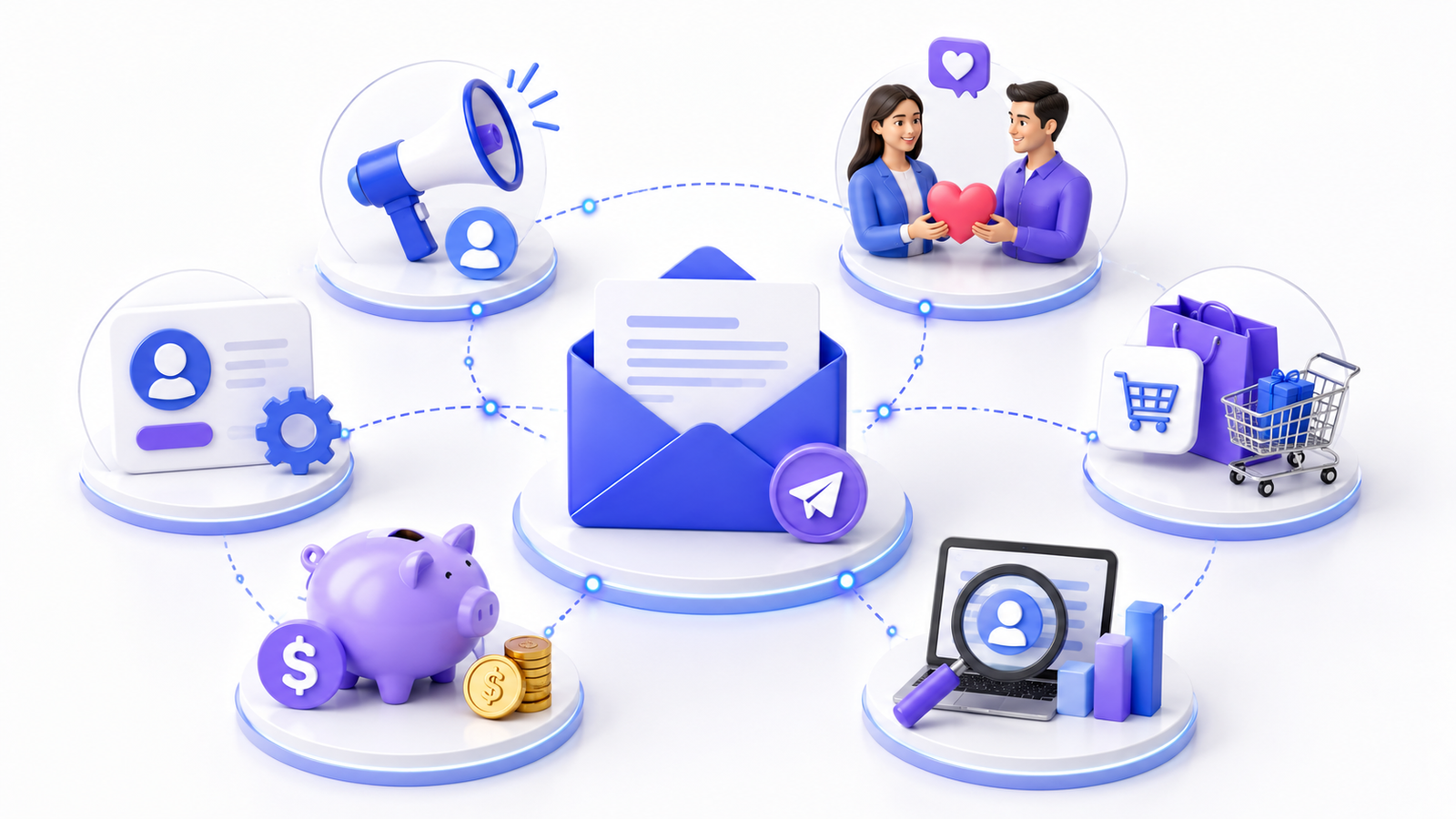
A successful email marketing campaign usually follows a simple process.
Step 1: Build an Email List
The first step is to build a list of people who have given permission to receive emails.
Businesses can encourage subscriptions through:
- Website signup forms
- Newsletter subscriptions
- Special offers
- Lead magnets
- Account registrations
- Event registrations
- Checkout forms
The quality of the email list is more important than simply having a large number of subscribers.
Step 2: Understand Your Audience
Before sending emails, understand who your subscribers are and what they need.
Ask questions such as:
- Who are they?
- What problems do they have?
- What products or services interest them?
- What type of content do they prefer?
- Where are they in the buying journey?
Understanding your audience helps you create more relevant campaigns.
Step 3: Segment Your Audience
Not every subscriber has the same needs.
Email segmentation involves dividing your audience into smaller groups based on factors such as:
- Interests
- Purchase history
- Location
- Age group
- Customer type
- Website activity
- Engagement level
For example, an online store could send different emails to first-time customers and returning customers.
Step 4: Create Valuable Content
Your email should provide a clear reason for the recipient to open and read it.
Useful email content can include:
- Educational information
- Special offers
- Product recommendations
- Industry news
- Company updates
- Helpful tips
- New product announcements
The content should provide value rather than making every email a sales pitch.
Step 5: Add a Clear Call to Action
Every marketing email should have a clear purpose.
Examples include:
- Shop Now
- Learn More
- Download the Guide
- Book a Consultation
- Read the Full Article
- Claim Your Offer
A clear CTA makes it easier for subscribers to take action.
Step 6: Analyze Performance
After sending an email campaign, review its performance.
Look at metrics such as open rate, clicks, conversions, and unsubscribes. Use these insights to improve future campaigns.
Types of Email Marketing Campaigns 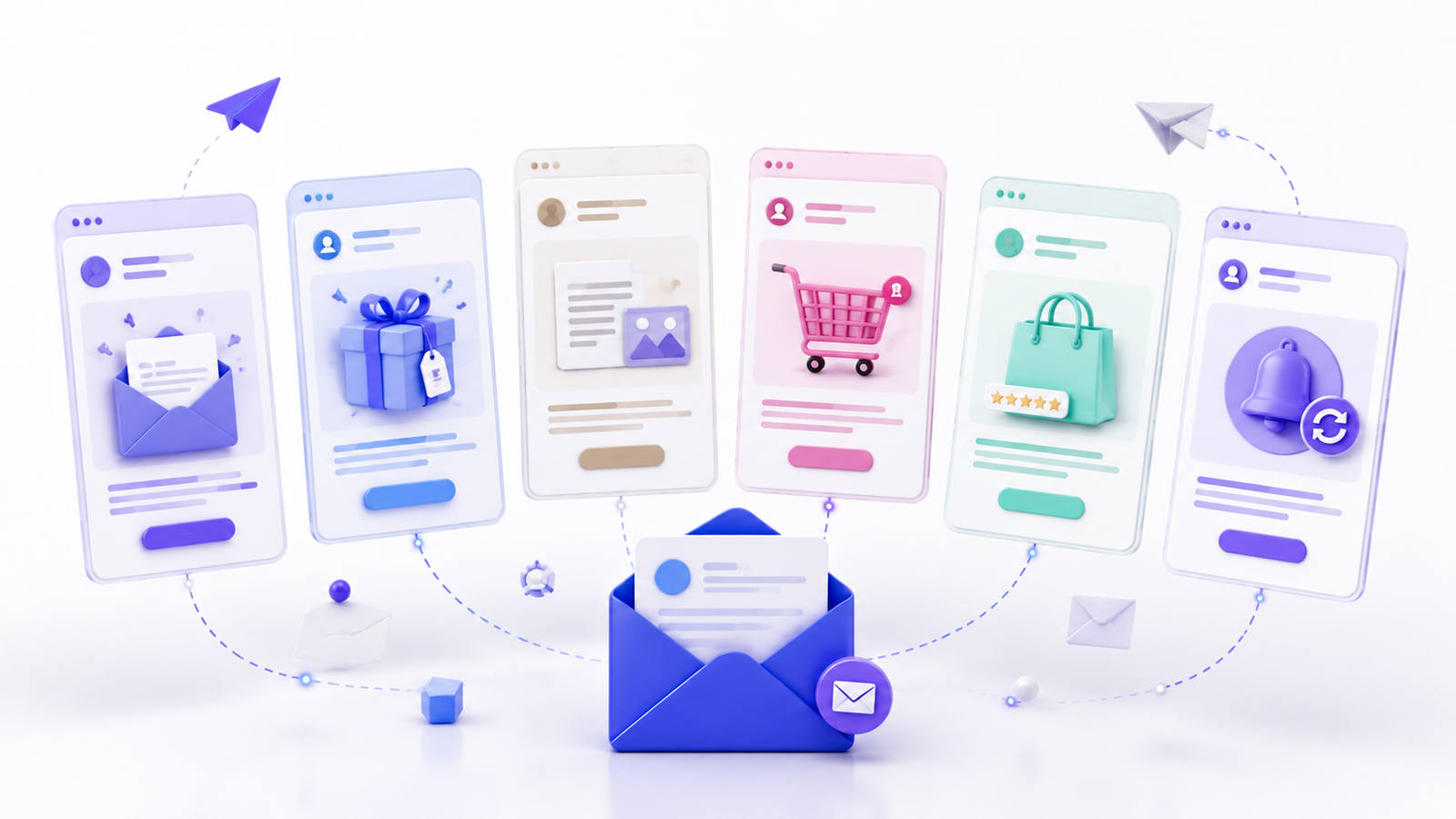
Businesses can use different types of email campaigns depending on their goals.
Welcome Emails
Welcome emails can introduce your brand, explain what subscribers can expect, and encourage them to take their first action.
Promotional Emails
These emails focus on offers, discounts, seasonal promotions, product launches, and sales.
Newsletter Emails
Newsletters allow businesses to regularly share useful information, articles, company updates, tips, and industry insights.
Abandoned Cart Emails
E-commerce businesses can use abandoned cart emails to remind customers about products they added to their shopping cart but did not purchase.
Re-Engagement Emails
These campaigns target subscribers who have stopped interacting with emails and attempt to bring them back with useful content or special offers.
Best Practices for Email Marketing
Creating an email campaign is easy. Creating one that consistently performs well requires strategy.
Write Strong Subject Lines
The subject line is one of the first things recipients see. Keep it clear, relevant, and interesting without making misleading promises.
Keep Your Emails Simple
Avoid overwhelming readers with too much information. Use short paragraphs, headings, images, and clear CTAs.
Make Emails Mobile-Friendly
Many people read emails on smartphones. Your emails should therefore be responsive and easy to read on smaller screens.
Personalize Your Messages
Use relevant customer information when appropriate. Personalization can make communication feel more relevant and useful.
Maintain Consistency
Sending emails too frequently can annoy subscribers, while sending them too rarely may cause people to forget your brand.
Create a consistent schedule that works for your audience.
Respect Subscriber Privacy
Only send marketing emails to people who have appropriately subscribed, and provide a clear way for recipients to unsubscribe. Follow applicable privacy and email marketing laws.
Email Marketing vs Social Media Marketing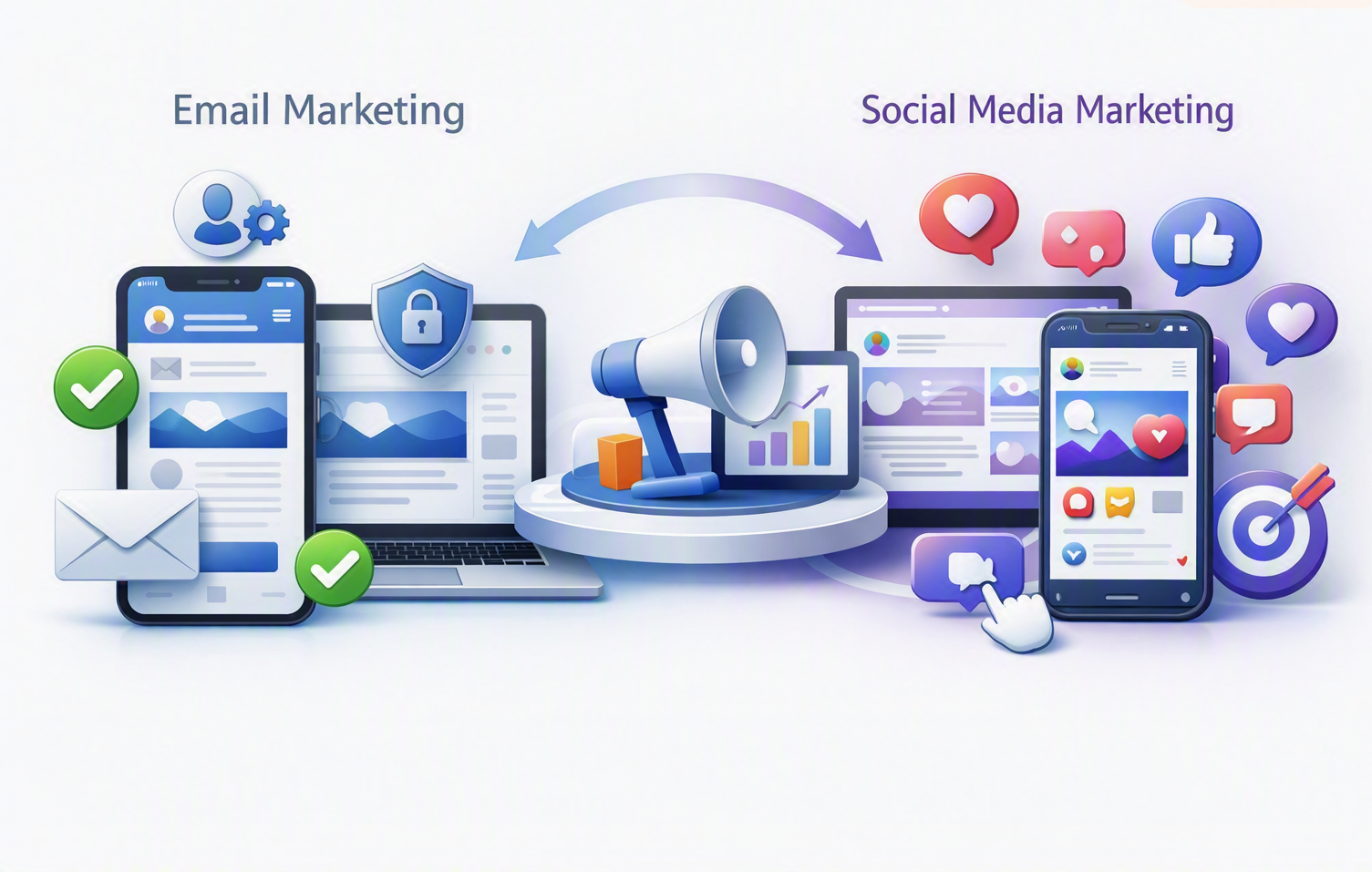
Email marketing and social media marketing are both valuable, but they work differently.
Social media is excellent for increasing visibility, building communities, and reaching new audiences.
Email marketing is particularly useful for nurturing relationships with people who have already shown interest in a brand.
A strong digital marketing strategy does not necessarily have to choose one over the other. Businesses can use social media to attract people and email marketing to nurture those relationships over time.
Common Email Marketing Mistakes
Some common mistakes can reduce the effectiveness of an email campaign.
Sending Too Many Emails
Constant promotional emails can cause subscribers to lose interest or unsubscribe.
Buying Email Lists
Purchased lists can contain irrelevant or low-quality contacts and can create privacy and deliverability problems. Building a permission-based list is a better long-term approach.
Using Misleading Subject Lines
Clickbait subject lines may increase opens temporarily but can damage trust.
Ignoring Mobile Users
An email that looks good on a desktop but is difficult to read on a smartphone can result in poor engagement.
Focusing Only on Selling
If every email asks customers to buy something, subscribers may stop paying attention. Balance promotional content with useful and educational information.
How to Create an Effective Email Marketing Strategy
A successful strategy should begin with a clear objective.
Start by defining what you want to achieve. Your goal could be:
- Increasing sales
- Generating leads
- Improving customer retention
- Promoting a product
- Increasing website traffic
- Building brand awareness
Next, identify your target audience, build a permission-based email list, segment subscribers, create valuable content, and establish a consistent communication schedule.
Finally, measure the results and continuously improve your campaigns.
Test different subject lines, content formats, CTAs, sending times, and audience segments to discover what works best for your business.
The Future of Email Marketing
Email marketing continues to evolve alongside digital technology. Personalization, automation, customer segmentation, and data-driven marketing are making it possible for businesses to create more relevant communication.
Automation can help businesses send specific emails based on customer actions. For example, a new subscriber can automatically receive a welcome email, while a customer who makes a purchase can receive a follow-up message.
The future of email marketing is therefore not simply about sending more emails. It is about creating more relevant, personalized, and useful experiences for subscribers.
Conclusion
Email marketing remains an important part of a successful digital marketing strategy. It gives businesses a direct way to communicate with their audience, build relationships, promote products, generate sales, and encourage customer loyalty.
However, successful email marketing is not about sending promotional messages to as many people as possible. It is about understanding your audience, providing value, respecting their preferences, and delivering relevant messages at the right time.
If you are building a digital marketing strategy for your business, email marketing can be a powerful channel to connect with customers and turn one-time visitors into long-term relationships.
Start with a quality email list, create valuable content, measure your results, and keep improving your strategy.
Pingback: Digital Marketing in India: Scope, Importance, Trends and Career Opportunities - vipinviju.com